
Post-Treatment and Survivorship Research
Childhood cancer leaves a lasting impact on children and families. Even after treatment ends, long-term effects of cancer treatment may pose challenges for survivors. Children and young adults, along with their families, may experience significant changes to their lifestyle.
As researchers continuously work to increase the survivorship rates for childhood cancer, they’re also studying ways to improve the health and well-being of survivors after the cancer has been treated.
Today, there are more than 500,000 childhood cancer survivors in the U.S. – a number that is growing every year – making survivorship research more important than ever.
Late Effects
Toxic cancer treatments often cause lasting effects on a child’s body. These effects can last months or years after treatment ends.
A few common late effects may include (these will vary depending on the type of cancer and form of treatment a child receives):
- Memory or hearing loss
- Learning disabilities
- Nerve damage, pain and weakness
- Stunted bone growth
- Secondary cancers
- More cavities or loss of teeth
- Heart damage
- Delayed or early puberty and infertility
- Depression and anxiety
Health Care After Cancer
Survivors should create a plan with their care team to help them practice a healthy lifestyle and cope with any possible late effects that they may experience. Regular follow up appointments with a care team are critical to monitoring late effects and the long-term health of childhood cancer survivors. Maintaining a healthy lifestyle is especially important for survivors.
Understand more about survivorship and post-treatment with these articles:
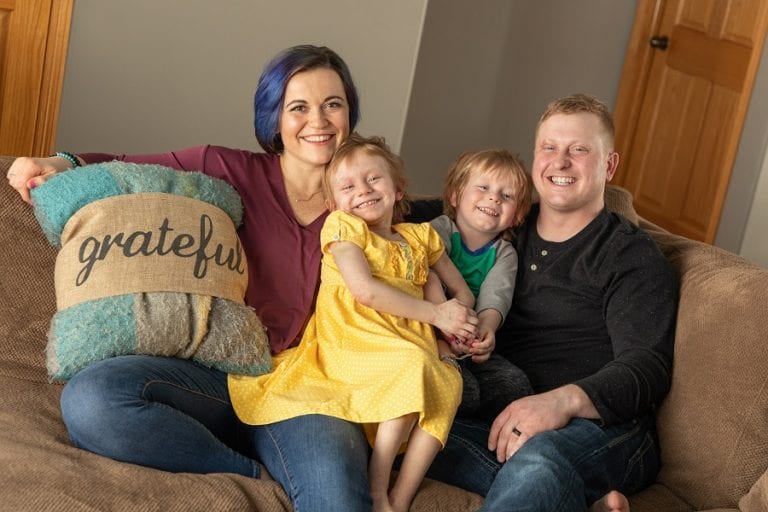
Warrior Mom – Life after NED
“Warrior Mom.” That’s what one of my inspiring bracelets says. A simple gift during our chemotherapy journey that reminded me I am strong...
Improving Survivorship Care
Current research data suggests childhood cancer survivors are not getting the care they need, which can become life-threatening. “Survivors t...
Reaching More Milestones: The Importance of Survivorship Care
Lucie Turcotte, MD, MPH, MS loves hearing about school, dating, graduations, weddings… everything “normal” in a childhood cancer survivor...